Planning a Hawaiian beach vacation with children can feel like navigating an overwhelming maze of options. Should you choose the calm lagoon or the surf-friendly shore? Will your toddler be safe at the same beach your teenager finds exciting? And when exactly should you visit iconic spots like Diamond Head to avoid crowds while catching the best weather? As a family with kids spanning different ages and interests, you need more than generic travel advice—you need a custom itinerary that matches each child's developmental stage to the perfect beach experience, all while fitting your schedule and budget.
At Hawai'i State Parks, we've spent years guiding families like yours through these exact decisions. Our destination specialists understand that the best times of day and year to visit Diamond Head Hawaii—and every other state park beach—depend entirely on your family's unique composition. We've watched toddlers take their first ocean steps in protected tide pools, elementary-age kids master their first waves at beginner surf spots, and teenagers discover snorkeling adventures that create lifelong memories. This comprehensive guide draws from that hands-on experience to help you match your children's ages and abilities to Hawaii's most spectacular state park beaches, ensuring every family member finds their perfect shore.
Understanding Hawaii State Park Beach Characteristics: What Makes Each Shore Unique
Not all Hawaiian beaches are created equal, and understanding the distinct characteristics of state park shores is essential for family planning. Hawaii's state park system protects some of the islands' most pristine coastal environments, each with unique features that make them ideal—or challenging—for different age groups.
Wave patterns vary dramatically based on seasonal swells, reef formations, and coastal geography. Winter months (November through March) bring larger North Shore swells perfect for experienced surfers but potentially dangerous for young children. Summer months (May through September) typically offer calmer conditions on north-facing beaches while south-facing shores may see increased wave activity. Our travel consultants track these patterns year-round to recommend the safest, most enjoyable beaches for your specific travel dates.
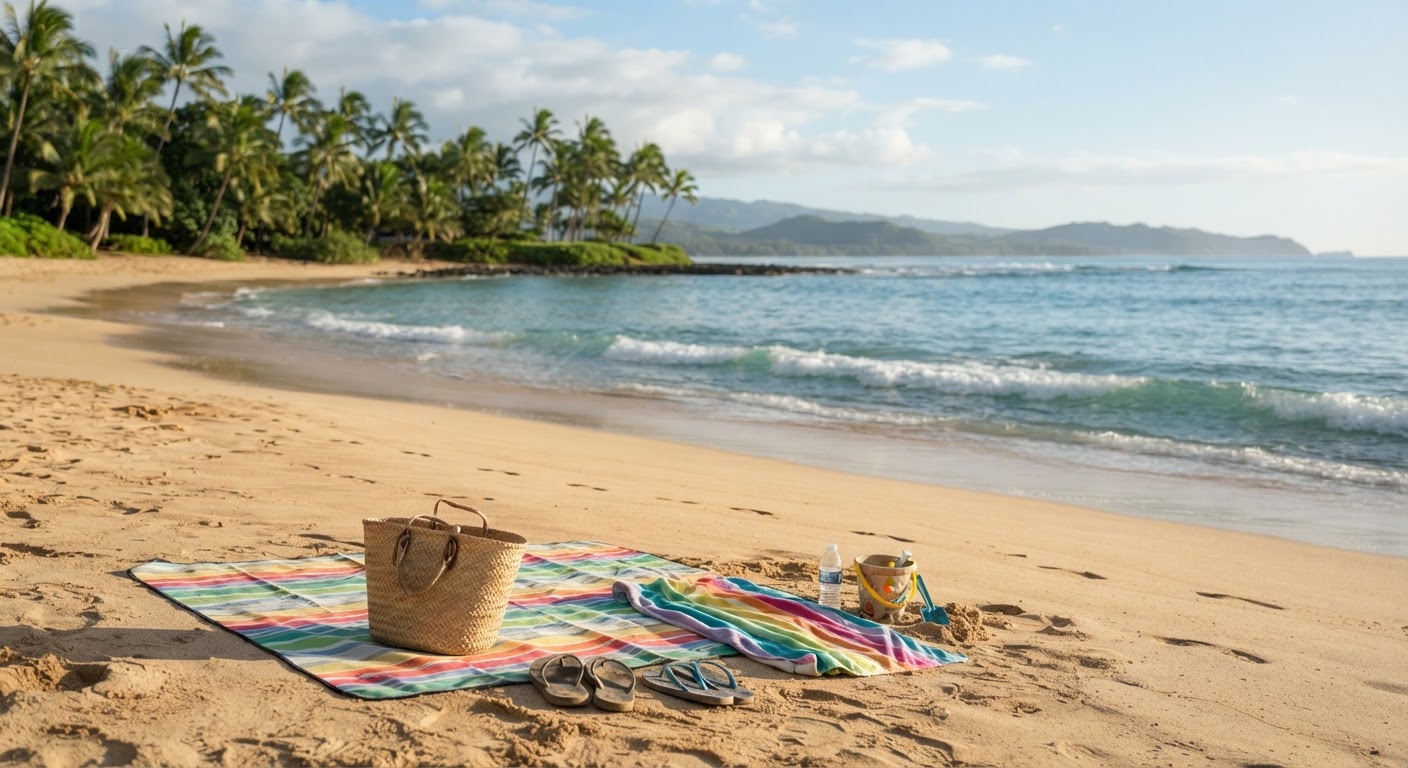
Beach entry angles matter tremendously for families. Gradual, sandy slopes allow toddlers to wade safely while parents maintain visual contact. Steeper drop-offs or rocky entries require constant supervision and may frustrate young children eager to play independently. Reef-protected lagoons create natural swimming pools with minimal current, ideal for building confidence in nervous swimmers.
Amenities at state park beaches range from full facilities with restrooms, showers, and picnic areas to remote shores requiring a hike with all supplies. Families with young children typically need convenient facilities for diaper changes and frequent bathroom breaks, while adventurous teens might appreciate the journey to a more secluded spot. Understanding these logistics before you arrive prevents vacation-day frustration and ensures everyone's needs are met.
Toddler Paradise: Hawaii State Park Beaches for Ages 1-4
Toddlers experience the ocean differently than older children—they need gentle introductions, constant supervision, and beaches designed for their developmental stage. The best state park beaches for this age group prioritize safety, shallow water, and engaging tide pool exploration over wave action.
Sand Island State Recreation Area on Oahu offers protected shoreline perfect for toddlers' first beach experiences. The calm waters and gentle slope allow little ones to splash safely while parents relax nearby. The grassy areas provide shade and picnic spots where you can take breaks from the sun—critical for maintaining toddler energy levels throughout the day. Our destination specialists recommend visiting in the early morning (7-9 AM) when temperatures are mild and crowds are minimal, giving your toddler space to explore without overstimulation.
Tide pool exploration captivates toddlers' natural curiosity while keeping them safely engaged. Beaches with extensive reef systems that create shallow pools during low tide become natural aquariums where children can observe small fish, sea urchins, and hermit crabs. Timing your visit to coincide with low tide—which varies throughout the month—transforms an ordinary beach day into an educational adventure. We coordinate these tide schedules into your custom itinerary, ensuring you arrive at the optimal moment.
Safety considerations for toddler beach days extend beyond water depth. UV exposure poses serious risks for young skin, requiring frequent reapplication of reef-safe sunscreen and regular shade breaks. State park beaches with natural shade from ironwood trees or covered pavilions allow toddlers to play comfortably throughout the day. We also recommend beaches with nearby medical facilities and clear cell phone reception—practical considerations that provide peace of mind for parents.
Nap schedules and meal timing influence beach success with toddlers more than any other factor. A beach with excellent facilities becomes frustrating if you arrive during your child's normal nap time. Our travel consultants work with your family's existing routines, building beach visits around sleep schedules rather than forcing children to adapt. This personalized approach—impossible with generic travel guides—ensures your toddler remains happy and engaged throughout your Hawaiian vacation.
Elementary Adventure: Hawaii State Park Beaches for Ages 5-11
Elementary-age children have developed swimming skills, increased stamina, and a hunger for adventure that opens up Hawaii's most engaging state park beaches. This age group thrives at shores offering both safety and excitement—places where they can test their abilities while parents maintain reasonable supervision.
Sandy Beach State Park provides the perfect progression for growing swimmers, though it requires careful timing and parental judgment. During summer months when waves are smaller, the shorebreak offers elementary-age kids their first taste of body surfing under close supervision. Our destination specialists help families understand when conditions suit their children's skill levels, avoiding dangerous periods while maximizing fun. We've guided countless families through their first Sandy Beach experiences, teaching parents to read water conditions and recognize safe zones.
Snorkeling introduces elementary-age children to Hawaii's underwater world, and state park beaches with protected bays make ideal learning environments. Clear, calm water allows kids to master breathing techniques and build confidence before venturing into deeper areas. Fish feeding stations—natural spots where reef fish congregate—provide guaranteed wildlife encounters that thrill young snorkelers. We include age-appropriate equipment recommendations in our travel packages and connect families with reputable local shops that prioritize proper fitting for children's gear.
The best times of day and year to visit Diamond Head Hawaii become particularly relevant for families with elementary-age children who can handle the moderate hike to the summit. Early morning visits (6-8 AM) offer cooler temperatures essential for children's stamina and energy levels. The trail becomes increasingly crowded and hot after 9 AM, making the experience less enjoyable for kids. Year-round, Diamond Head provides spectacular views, but winter months (December through February) offer the most comfortable hiking conditions with lower humidity and occasional cloud cover providing natural shade.
Spring break (March-April) and summer vacation (June-August) represent peak family travel seasons, but our experience shows that May and September offer superior conditions for families with elementary-age children. Crowds decrease significantly after spring break ends, yet water temperatures remain warm and weather stays consistently sunny. These shoulder season advantages—combined with often better pricing on accommodations—make these months ideal for families seeking the perfect balance of adventure and value.
Beach safety education becomes increasingly important as children gain independence. Elementary-age kids can learn to identify rip currents, understand flag warning systems, and recognize dangerous marine life. State park beaches with active lifeguard stations provide both safety supervision and educational opportunities. Our custom itineraries include recommended beaches with strong safety programs and connect families with local surf schools offering age-appropriate ocean safety courses that enhance both skills and confidence.
Teen Thrills: Hawaii State Park Beaches for Ages 12-18
Teenagers seek authentic Hawaiian experiences that go beyond typical tourist activities—they want to surf real waves, explore hidden coves, and earn bragging rights among their peers. State park beaches offering legitimate adventure while maintaining reasonable safety margins become the sweet spot for this age group.
Makapuu Beach Park on Oahu's windward coast delivers the body boarding experience teenagers crave. The consistent shorebreak provides powerful waves that challenge developing skills without the extreme danger of expert surf spots. Local board rental shops near the beach understand teen preferences and can recommend appropriate equipment. Our travel consultants coordinate these rentals in advance, ensuring your teens have proper gear waiting when you arrive rather than wasting vacation time searching for shops.
Surfing lessons represent a rite of passage for many teenage visitors, and state park beaches with established surf schools offer structured progression from beginner to intermediate skills. We partner with certified instructors who specialize in teen groups, understanding the unique combination of confidence and caution this age requires. Group lessons create social experiences where teens connect with peers while learning a skill they'll remember forever. These connections often become highlights of the entire vacation—the new friends made while learning to surf together.
Photography opportunities matter tremendously to social media-conscious teenagers. State park beaches offering dramatic backdrops—volcanic rock formations, pristine turquoise water, or iconic landmarks like Diamond Head—provide the Instagram-worthy moments teens seek. Understanding the best times of day and year to visit Diamond Head Hawaii for photography specifically helps families capture stunning images. Golden hour (the hour before sunset) bathes Diamond Head in warm light perfect for photos, while early morning offers crisp clarity and fewer tourists in frame. Our destination specialists include these photography timing tips in your custom itinerary, ensuring teens capture memories worth sharing.
Hiking to remote beaches appeals to teenagers' sense of adventure and desire for unique experiences. State park trails leading to less-accessible shores—requiring 20-30 minute hikes—filter out casual tourists and reward effort with pristine, uncrowded beaches. These adventures require proper planning: adequate water, sun protection, appropriate footwear, and realistic assessment of fitness levels. We've guided hundreds of families through these decisions, recommending trails that match your teenagers' abilities while delivering the adventure they crave.
Teenage independence requires careful balancing—they want freedom to explore while parents need reasonable oversight. State park beaches with defined boundaries, visible sightlines, and established safety protocols allow teens to venture independently while parents relax nearby. Setting clear check-in times, establishing meeting points, and ensuring teens carry waterproof phone cases creates structure without feeling restrictive. Our experience helping families navigate these dynamics informs the practical advice we build into every custom itinerary.
Multi-Generational Success: Creating Itineraries That Satisfy Everyone
Families traveling with children spanning multiple age groups face the ultimate planning challenge—finding beaches and activities that engage toddlers, elementary kids, and teenagers simultaneously without anyone feeling bored or overwhelmed. This is precisely where Hawai'i State Parks' destination specialist expertise becomes invaluable.
Split-day strategies allow families to experience multiple beaches optimized for different age groups within a single day. Morning visits to calm, toddler-friendly shores accommodate young children's peak energy hours and nap schedules. After lunch and rest time, the family relocates to a more adventurous beach where older kids and teens can surf or snorkel while toddlers nap in the shade or play in shallow tide pools. This approach—impossible to execute without detailed local knowledge and careful timing—ensures no family member feels shortchanged.
Rotating "featured child" days where each age group gets priority for activity selection creates fairness and anticipation. One day centers on toddler-friendly beaches with extensive tide pools and gentle waves. The next day features surf lessons and snorkeling adventures for older children. Teenagers get their day exploring more remote state park beaches requiring hikes and offering authentic Hawaiian experiences. Parents appreciate this structured approach because it eliminates constant negotiation and ensures every child experiences their ideal Hawaiian vacation.
The best times of day and year to visit Diamond Head Hawaii factor into multi-generational planning differently than single-age-group trips. Families with diverse ages might split the group—adventurous teens and one parent tackle the Diamond Head hike at sunrise while the other parent takes younger children to a nearby beach. Alternatively, the entire family can visit Diamond Head during the cooler winter months when even young children can complete the hike comfortably. Our consultants explore these options with you, crafting solutions that honor everyone's capabilities and interests.
Accommodation location dramatically impacts multi-generational beach access success. Staying central to multiple state park beaches with varying characteristics allows flexible day-of-weather decisions and quick transitions between locations. We recommend accommodations based on your specific family composition, prioritizing proximity to the beaches that match your children's ages rather than generic "best location" advice that doesn't account for your unique needs.
Meal planning and timing become increasingly complex with multiple age groups. Toddlers need frequent snacks and early dinners. Teenagers want to eat later and prefer different cuisines. State park beaches with nearby food options—or those where picnicking is practical—provide flexibility to accommodate everyone's schedules. Our custom itineraries include specific meal recommendations timed to your family's needs, identifying restaurants that welcome young children while offering menu variety that satisfies teenage tastes.
Seasonal Considerations: Timing Your Visit for Optimal Conditions
Understanding Hawaii's seasonal patterns transforms good beach vacations into exceptional ones. While the islands enjoy year-round warm weather, subtle seasonal variations significantly impact which state park beaches work best for families with children.
Winter months (November through March) bring larger swells to north-facing beaches, creating spectacular wave watching opportunities but potentially dangerous swimming conditions for children. These same months offer the best times of day and year to visit Diamond Head Hawaii for hiking specifically—cooler temperatures and occasional cloud cover make the climb comfortable even for families with young children. South-facing beaches typically remain calmer during winter, providing safe swimming when north shores are too rough.
Summer months (May through September) reverse these patterns. North-facing beaches become swimming-friendly while south swells may impact south-facing shores. Water temperatures peak during summer, reaching 80°F—ideal for young children who get cold quickly. However, summer also brings peak tourist crowds and higher accommodation prices. Our destination specialists help families weigh these trade-offs based on budget constraints and crowd tolerance.
Shoulder seasons (April-May and September-October) offer the best overall conditions for families seeking value and comfort. Crowds decrease significantly after spring break and before Thanksgiving, yet weather remains consistently excellent. Water temperatures stay warm from summer heating, and accommodation prices drop from peak season rates. These months represent our most frequent recommendations for families with diverse age groups seeking the optimal balance of conditions, value, and experience quality.
Weather patterns within each season require daily monitoring and flexible planning. Trade winds typically blow strongest during afternoons, creating choppier water conditions and increased wave activity. Morning beach visits (7 AM-12 PM) generally offer the calmest water and most comfortable temperatures for families with young children. Our consultants build this timing wisdom into your itinerary while maintaining flexibility for weather-related adjustments.
Marine life seasonal patterns enhance certain experiences during specific months. Humpback whales migrate to Hawaiian waters from December through April, offering spectacular viewing opportunities from coastal state park beaches. Sea turtle nesting season peaks during summer months, increasing sightings at beaches where turtles frequently come ashore. These natural phenomena create memorable family moments when properly timed and located—expertise we incorporate into every custom itinerary we create.
Safety First: Essential Protocols for Family Beach Days
Beach safety represents our highest priority when guiding families through Hawaii state park experiences. Years of consulting with families have taught us that proper safety protocols enhance rather than restrict enjoyment—confident parents relax more fully, and children learn ocean respect that serves them lifelong.
Rip current awareness is non-negotiable for families visiting Hawaiian beaches. These powerful channels of water flowing from shore to sea can sweep even strong swimmers into dangerous situations. Teaching children to swim parallel to shore if caught in a rip current—rather than fighting directly against it—provides life-saving knowledge. State park beaches with active lifeguard stations offer the safest environments for families, and we prioritize these locations in itineraries for families with less ocean experience.
Marine life encounters require education and respect. Portuguese man-o-war jellyfish occasionally wash onto beaches, particularly after storms, delivering painful stings. Sea urchins hiding in reef crevices can puncture unwary feet. Teaching children to shuffle their feet when walking in shallow water and to observe marine life without touching creates safe, respectful interactions. Our pre-trip consultation materials include specific identification guides and safety protocols customized to the beaches in your itinerary.
Sun protection extends beyond sunscreen application. Hawaii's tropical latitude creates intense UV exposure that burns skin quickly, particularly on children. Rash guards for swimming, wide-brimmed hats, and regular shade breaks prevent painful burns that ruin vacation days. We recommend reef-safe sunscreen brands that protect both your family and Hawaii's fragile coral ecosystems—a practical detail that demonstrates our commitment to both visitor safety and environmental stewardship.
Hydration and heat management become critical during beach days, especially for young children who may not recognize their own thirst or overheating symptoms. We recommend bringing twice as much water as you think you'll need and establishing mandatory hydration breaks every 30 minutes. State park beaches with covered pavilions or natural shade allow families to regulate temperature exposure throughout the day rather than spending entire visits in direct sun.
Emergency preparedness seems overly cautious until you need it. Knowing the location of the nearest urgent care facility, having a first aid kit with jellyfish sting treatment, and ensuring your phone has reception at your chosen beach provides peace of mind. Our custom itineraries include this practical information for every recommended beach, along with local emergency contact numbers and the locations of nearby medical facilities.
Making It Happen: How Hawai'i State Parks Creates Your Perfect Family Beach Experience
Reading about Hawaii's state park beaches and actually experiencing them with your family are two entirely different challenges. The overwhelming number of choices, the complexity of timing decisions, and the pressure to maximize limited vacation days create stress that undermines the relaxation you're seeking. This is exactly why families turn to Hawai'i State Parks' destination specialists rather than attempting to plan everything independently.
Our consultation process begins by understanding your family's unique composition, your children's specific ages and interests, and your honest assessment of everyone's abilities and comfort levels. We ask about your typical daily rhythms—when do your kids eat, sleep, and have peak energy? What activities have worked well on previous vacations, and what frustrated everyone? This detailed discovery allows us to match your family to beaches and timing that align with your actual needs rather than generic recommendations.
Custom itinerary development incorporates everything discussed in this guide—age-appropriate beach selection, optimal timing for locations like Diamond Head, seasonal considerations, and practical logistics from parking to restroom facilities. We don't just list beaches; we create a day-by-day, hour-by-hour plan that accounts for drive times, meal breaks, and realistic energy levels. This level of detail eliminates vacation-day stress and allows you to focus on creating memories rather than consulting maps and reviews.
Ongoing support throughout your trip provides security and flexibility. Weather changes, a child gets sick, or you discover your teenager is more interested in surfing than you anticipated—we adjust your itinerary in real-time based on actual conditions rather than leaving you to figure it out alone. This concierge-level service transforms your Hawaiian vacation from a series of activities you've arranged into a curated experience guided by experts who genuinely care about your family's satisfaction.
The value of professional travel consultation extends beyond convenience—it's about optimization and peace of mind. The hours you'd spend researching beaches, reading conflicting reviews, and second-guessing your choices are hours you could spend excited about your upcoming vacation. The money you might waste on poorly chosen accommodations far from the beaches that suit your family costs more than our consultation services. Most importantly, the difference between a good Hawaiian vacation and an exceptional one—where every family member feels the trip was designed specifically for them—is precisely what our expertise delivers.
Conclusion: Your Family's Perfect Hawaiian Beach Awaits
Matching your children's ages to the perfect Hawaii state park beach transforms a generic tropical vacation into a personalized adventure where toddlers safely explore tide pools, elementary-age kids master their first waves, and teenagers discover the authentic Hawaiian experiences they'll remember forever. Understanding the best times of day and year to visit Diamond Head Hawaii—along with dozens of other state park beaches across the islands—requires local expertise and years of experience guiding families through these exact decisions.
At Hawai'i State Parks, we've built our reputation on creating custom itineraries that solve the overwhelm Mia and families like hers experience when planning multi-generational Hawaiian vacations. We don't offer generic advice that could apply to any family—we learn your specific situation, understand your children's unique needs, and craft detailed plans that fit your schedule and budget while delivering the relaxation and adventure everyone craves.
Your perfect family beach experience isn't found in a guidebook or through hours of online research—it's created through partnership with destination specialists who know these shores intimately and care deeply about your family's satisfaction. From calm lagoons perfect for toddlers' first ocean experiences to surf breaks where your teenager will catch waves they'll brag about for years, Hawaii's state park beaches offer something extraordinary for every age. Let us help you discover exactly which shores match your family's needs and when to visit them for optimal conditions. Your Hawaiian adventure—customized, stress-free, and unforgettable—is waiting.